




Top 10 Hiking Tips for Beginners
Author:samreen
|
Released:March 28, 2026
Hiking is more than just a walk in the woods; it's an adventure into the splendor of nature, a chance to escape daily stress, and a path to new challenges. The idea can be exciting, but it can also be a little daunting for new hikers. Where should you start? Which equipment is essential? How do we ensure safety on the road?
Aspiring hikers, rest assured because we're here to help. In this guide, we'll take you through ten best beginner hiking tips and provide practical advice in an easy-to-understand format.
1. Choose the right path
If you're new to hiking, choosing the correct route for your fitness level and experience is essential. Avoid going "into the wild" on your first hike; start with something modest and progress from there. Hiking routes for beginners are usually well-signposted and have a clear path, making navigation easier. Look for courses with minimal elevation changes and shorter distances that are best for starting your hike.
Remember, this is not a competition. Start with shorter hikes, around 3 to 5 kilometers, and gradually increase the distance as your endurance builds. To discover suitable hiking routes near you, consult local websites or use hiking apps.

2. Prepare wisely
You don't need fancy gear to start hiking, but having the right essential equipment can make your experience more enjoyable and safer. Here is a list of must-have items:
1. Shoes: Invest in good hiking shoes or boots with ankle support and durable soles. Prioritize comfort and choose the right shoes for the terrain you plan to explore.
2. Clothing: Choose layered clothing to adapt to changing weather conditions. Cotton is not the best choice because it does not wick away moisture effectively. Instead, choose fabrics that are moisture-wicking and breathable.
3. Backpack: Choose a compact backpack for essentials like water, snacks, a first aid kit, and extra clothing.
4. Navigation: Whether it's a map and compass, a GPS device, or a smartphone app, ensure you have the necessary tools to help you stay on course.
5. Water and Snacks: Stay hydrated and include energy-boosting snacks in your gear, such as trail mix or energy bars.
Remember, you don't have to spend money on top-of-the-line gear immediately. Start with the basics, and as you gain more experience, you can invest in specialized equipment.
3. Plan and share your plan
Before embarking on a hike, some pre-planning is essential. Check the weather forecast, assess trail conditions, and familiarize yourself with park regulations. Let someone know your hiking plans and expected return time is necessary. This precaution is essential to ensure your safety during your hike should unforeseen circumstances arise.
When planning your hike, consider factors such as trail difficulty, estimated time, and amount of available sunlight. It's best to start early in the day so you have enough time to complete the hike before nightfall.
4. Stick to the right path
While it may be tempting to explore off-road areas, especially when you see something beautiful nearby, it's essential to stay on designated trails. Going off-trail can damage fragile ecosystems and increase the risk of getting lost. Stay on marked trails and respect any signs or obstacles.
5. Pace yourself and rest
Hiking is not a sprint; This is a marathon – there's no need to rush. Adjust your pace, especially on steep climbs or high altitudes. Take a short break, take a deep breath, and enjoy the scenery. Remember to listen to your body - slow down or turn around if you feel tired or uncomfortable.
A common mistake beginners make is underestimating the energy required for hiking. Bring enough snacks and water to keep you energized along the way. Dehydration and lack of energy can lead to poor decisions and even accidents. Therefore, it is essential to consume enough energy and fluids.
6. Learn basic navigation skills
Knowing basic navigation skills can save lives along the way. Learn how to read a map and navigate effectively using a compass. If you use a GPS device or smartphone app, ensure you know how to use it before hiking.
Pay attention to route markers and landmarks, and check your map or GPS regularly to ensure you're on the right path. Knowing how to find your way can help you stay on the right track and find your way back if you get lost.
7. Be prepared for weather changes
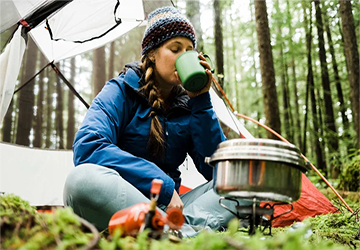
The weather outdoors can be unpredictable. Even if the forecast looks perfect, preparing for sudden changes is always a good idea. Even on sunny days, bring a lightweight raincoat or windbreaker. Dressing in layers allows you to adjust to temperature changes. Remember to bring a warm hat and gloves when the weather is cold.
8. Respect wildlife and nature
Hiking offers excellent opportunities to connect with nature and encounter wildlife. However, keeping a certain distance is essential to avoid disturbing these creatures. Feeding wild animals is discouraged as it disrupts their natural behavior and promotes an unhealthy dependence on humans. Remember to follow the "pack, unpack" rule and responsibly dispose of trash and waste.
9. Hiking Etiquette
When you're out and about, it's essential to consider other hikers. Give way to climbers who may have to climb harder. Keep noise levels to a minimum, and enjoy the tranquility of nature. If you have furry hiking companions, keep them on a leash and clean up after them.
10. Leave your comfort zone little by little.
As you gain confidence and experience, you can gradually push your limits and tackle more challenging hikes. Refrain from immediately doing more complex experiments. Building your skills and fitness over time is a safer and more enjoyable way to hike. Consider joining a local hiking group or club to connect with experienced hikers who can provide guidance and companionship.
Diploma
Hiking offers an excellent opportunity to reconnect with nature and maintain energy and inner peace. If you follow these ten tips for beginners, you'll be well prepared for a safe and enjoyable hiking experience.
Always remember: Whether hiking the trails or improving your hiking skills, the key is to take it one step at a time. Enjoy every moment in nature. Happy hiking!
You May Like

Sports
How to Serve Aces in Table Tennis

Fitness
How to Develop a Powerful Volleyball Serve

Sports
Top 10 Defensive Moves in Brazilian Jiu-Jitsu

Sports
How to Achieve Precision in Horseshoe Throwing
Sports
Top 10 Hiking Essentials for the Great Outdoors