

Top 10 Defensive Moves in Brazilian Jiu-Jitsu
Author:samreen
|
Released:March 15, 2026
Brazilian Jiu-Jitsu (BJJ) is like a physical game of chess. It's about strategy, technique, and protecting yourself when your opponent takes action. Whether you are a beginner or an experienced fighter, mastering the defensive moves of BJJ is crucial. So, let's break down the ten best defensive actions that will help you stay safe on the mat and turn the tables.
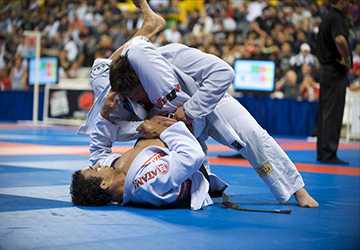
1. Guard: Your first line of defense
The guard position is your BJJ home base. When you lie on your back and wrap your legs around your opponent, you're in cover. It acts like a shield from which many defenses begin. You can control the distance from here and submit, sweep, or recover. Your ward is your fortress, and you can make it nearly impenetrable with practice.
To make your protection even more effective, you can learn different variations based on your style and preferences, such as closed, open, or butterfly protection. Each defender type offers unique defensive advantages and attacking options.
2. Shrimp: Secrets of an Escape Artist
Catching shrimp is like the Houdini move of Brazilian Jiu-Jitsu. If your opponent is trying to break through your defense, use this technique to create space and escape their grasp. You move your hips to the side, push off the ground with your feet, and slide away from your opponent. This is an essential escape technique that every BJJ practitioner should master.
In addition to escaping, the shrimper can also prepare for numerous attack moves. You can set up sweeps and inversions or create submission angles. Think of shrimping as the foundation of BJJ's defensive and offensive skills. This move will serve you well in countless situations on the mat.
3. Frame: Create space under pressure
When pinned underneath your opponent, the frame is your best friend. This technique uses your forearms and elbows to create space and take weight off your opponent. The correct wording can help you avoid getting choked up and out of a bad situation. It's all about making an impact and maintaining control even at the bottom.
To maximize the effectiveness of your frame, focus on correct positioning and timing. You should be proactive and use your strengths to prevent your opponent from gaining dominance.
4. Hip Escape: Reaching Safety
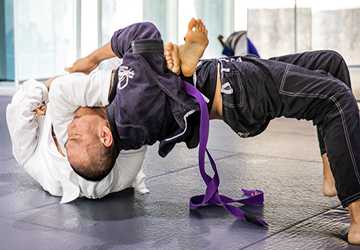
The hip roll, hip bump, or bridge roll is a versatile defensive move in BJJ. Whether sideways or ascending, this technique allows you to use your hips to duck and regain a more advantageous position. By bridging and rolling, you can surprise your opponents and turn the tables when they least expect it.
Hip escape is all about fluid movement and timing. The key is to combine the direction of your hips with the precise positioning of your hands and legs. This coordinated effort can get you out of trouble and launch a counterattack.
5. Turtle Pose: Protect Your Back
Sometimes, you'll find yourself in turtle position - on all fours while your opponent tries to get back to you. It's essential to learn how to protect yourself in this situation. You must protect your neck, build a solid foundation, and return to a better position. A turtle's post may seem vulnerable, but you can stay safe with the proper defensive measures.
In turtle pose, it is crucial to maintain a stable turtle pose. To do this, you must tuck your chin, keep your elbows close to your body, and use your legs to create a stable base. You can also use the turtle as a transitional position to escape, defend yourself, or launch an attack.
6. The Granby Roll: a combination of escape and reversal
The Granby Twist is a dynamic defensive move in Brazilian Jiu-Jitsu that combines escape and reversal. If your opponent has you in trouble, you can use the Granby Roll to roll backward to gain distance and turn the tide. His deft moves can throw your opponent off balance, giving you the upper hand.
7. Kimura Defense: Breaking Free
The Kimura is an effective submission move in BJJ, but knowing how to defend against it is just as important. If your opponent is trying to block Kimura, quick reflexes can be helpful. An effective defense is to hold on to your pants or belt to prevent your opponent from submitting. At the same time, you can use body movements to release pressure and counterattack your attacks.
8. Guillotine Escape: Breathe Again
You may suffocate if a guillotine strangles you, but there is a way out. To protect yourself from the guillotine, tuck your chin, turn your head, and protect your neck with your hands. Stand simultaneously to create space between you and your opponent. If done correctly, you can break free and regain control.
9. Knee Protection: Keep Distance and Control
Knee protection can be your lifesaver when your opponent is on defense and trying to pass the ball. You use your knees as a shield to maintain distance and control. If you extend your legs and create a barrier, it will be difficult for your opponent to close in and advance their position. This defensive move also prepares you for sweeps and submissions.
10. Spread: Easily stop damage
In BJJ, takedowns are a common entry point for your opponent to gain control. Contagion is your first defense against failure. Extend your legs when your opponent tries to take you down to prevent him from grabbing your legs. It's a simple but effective move that keeps you alert and ready to strike back.
Diploma
Mastering the defensive actions of BJJ is crucial to your success. These techniques, from guard and shrimp to knee pads and stretches, give you the tools to defend against various attacks and stay safe during the game.
Remember, practice makes perfect in Brazilian Jiu-Jitsu, so practice these defensive moves until they become second nature. With dedication and skill, you can survive and thrive in the world of BJJ. So, get on the mat, put your head down, and keep going!
You May Like

Sports
How to Master the Art of Deep-Sea Fishing
Sports
How to Perfect Your Tennis Serve Technique

Sports
How to Boost Your Rowing Speed and Stamina
Sports
How to Achieve Precision in Horseshoe Throwing

Fitness
How to Improve Your Golf Swing in 5 Easy Steps?