


How to Master the Art of Deep-Sea Fishing
Author:samreen
|
Released:March 19, 2026
The sea's vastness, the boat's gentle rocking, and the anticipation of what lies beneath the surface make deep-sea fishing an irresistible adventure for many. It's a unique activity that blends calmness and excitement, and the best part is that you don't have to be a seasoned pro to enjoy it.
Whether you're new to the fishing world or a seasoned offshore angler looking to expand your horizons, deep-sea fishing is within your reach. In this guide, we'll take you on a journey into the art of ocean fishing, explaining the steps and techniques in an easy-to-understand way.
Introduction to Deep Sea Fishing
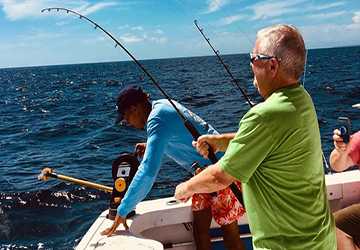
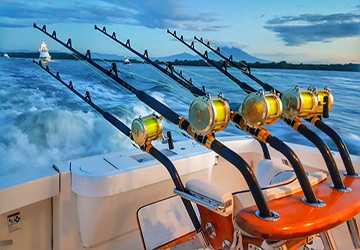
Deep sea fishing might sound like something only experienced anglers would do, but honestly, anyone with a passion for the ocean can get involved. The first step is to find the right equipment. Invest in a sturdy fishing rod and reel, preferably for salt water.
These are built to withstand the corrosion of seawater. You'll also need a variety of hooks, sinkers, and baits to attract different species of fish. Safety first. So remember to bring a life jacket, sunscreen, and a first aid kit. Check the weather forecast before heading out, and always let someone on shore know your fishing plans and expected return time.
Choose the right location
Regarding deep-sea fishing, location matters; different fish species prefer different habitats. If you are new to the area, consider booking a charter with an experienced captain familiar with the local waters. They will take you to the best spots where fish are plentiful.
However, if you are more adventurous and want to go independently, research the area you plan to fish. Look for underwater structures such as coral reefs, shipwrecks, or cliffs. These are ideal gathering places for fish. You can also ask local fishermen or visit online forums for insider tips on where the fish are biting.
Learn about tides and ocean currents
Tides and currents are the heartbeat of the ocean and have a significant impact on fish behavior. During tidal changes, fish feed more aggressively when currents stir up their prey. Knowing the tide schedule for your chosen location is crucial.
Tide charts can be found online or at your local tackle store. Plan your fishing trip according to high or low tide for better success. Strong currents can make fishing challenging. Therefore, be aware of their strength. Fishing at low tide when the wind is minimal can be a good strategy.
Lures and Lures
Now, let's talk about baits and lures. Fish aren't too picky, but they do have preferences. Live bait such as shrimp, squid, or minnows work well for many species. However, artificial baits can also be more effective and practical. Choose lures that mimic the game fish in the area you are fishing.
Try different colors and sizes until you find the perfect fit. Remember that sometimes fish prefer live bait, while others prefer fish bait. It's all part of the adventure.
Patience is the key
Deep sea fishing is not a sprint; it is a marathon. You may have to wait several hours to catch a big fish, so patience is your best friend. While waiting, enjoy the beauty of the sea and the unknown excitement. Remember: Even if you don't catch a trophy fish, every trip is a learning experience.
Sometimes, it's not just the destination that makes deep-sea fishing worthwhile; it's the journey. So bring a good book, some snacks, and a positive attitude to make the most of your time on the water.
Master the art of knotting
Knot tying is an essential skill for every angler. You don't want to lose a valuable catch because of a bad knot. The Paloma knot works reliably for securing hooks, baits, and swivels. It is easy to learn and has high breaking strength.
Practice tying knots until you can secure them with your eyes closed (not recommended, but you get the idea). You'll thank yourself; your knot will be stronger when you catch this monster fish.
Handling and releasing fish
Catch and release is a responsible practice in deep-sea fishing. If you don't want to keep the fish, handle it carefully. Wet your hands before handling the fish to minimize damage to its protective slime coating.
Use the unhook tool to remove the hook safely. If the fish is tired from fighting, gently support it in the water until it is ready to swim away. Proper catch and release ensures healthy fish populations for generations to come.
Clean and cook your catch
If you keep your catch, it's time to clean and cook it. Cleaning fish can be messy. So be prepared with a sharp knife and a clean workspace. Remove scales and guts and rinse thoroughly.
There are countless ways to prepare your fresh catch. Grilling, baking, or roasting are popular choices. Try different recipes and flavors to find your favorite. Nothing beats the taste of fish you caught yourself.
Protect and respect the ocean
Finally, let's talk about protection. Deep sea fishing is a great hobby, but it's essential to do it responsibly. Follow size and bag limits to protect fish populations. Dispose of trash properly and pick up trash when traveling.
Respect the ocean and its inhabitants. This is a fragile ecosystem, and we must do our part to protect it for future generations. By practicing sustainable fishing and raising awareness, you can help ensure that deep-sea fishing remains a valuable pastime for years to come.
Diploma
Mastering the art of deep-sea fishing is a journey that combines preparation, knowledge, patience, and respect for the environment. With the right equipment, location, and techniques, you can have an unforgettable adventure and take home not just fish but memories that will last a lifetime. Get ready, head to the high seas, and experience the thrill of deep-sea fishing.
You May Like

Fitness
How to Develop a Powerful Volleyball Serve

Fitness
How to Train Like a Professional Soccer Player?

Sports
Top 10 Hiking Essentials for the Great Outdoors

Fitness
Top 10 Figure Skaters in Figure Skating History

Fitness
How to Score a Perfect 10 in Olympic Figure Skating