



Top 10 Hiking Essentials for the Great Outdoors
Author:samreen
|
Released:March 13, 2026
Hiking offers an excellent opportunity to connect with nature, push your physical limits, and escape the daily grind. This activity will allow you to discover stunning landscapes, from tranquil forests to impressive mountain peaks, and experience the wonders of nature up close.
Whether you're an experienced hiker or your first time hiking, balancing the right gear is essential to ensure a safe, enjoyable outing. This guide will walk you through the crucial hiking gear you should bring when exploring the great outdoors.
1. Sturdy shoes
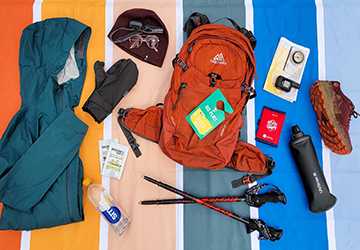
Choosing the right shoes is crucial to a successful hiking adventure. Invest in quality hiking or trail shoes that provide excellent support, traction, and comfort. Make sure they fit well and suit the terrain you plan to hike. Remember, comfortable feet are crucial to a pleasant hiking experience!
A well-fitting boot or shoe can reduce the risk of blisters and provide needed ankle support on uneven terrain. Break them before hiking to avoid inconveniences along the way.
2. Weather-appropriate clothing
Weather conditions can be unpredictable on the trails, so wearing layers is crucial. Start with a moisture-wicking base layer to effectively regulate sweat. Wear thermal clothing to stay warm and waterproof or windproof outerwear to protect yourself from the elements. Bring a hat, gloves, and moisture-wicking socks to keep your limbs comfortable.
Even on sunny days, wear a lightweight, packable raincoat; weather in the mountains is unpredictable, and staying dry is essential to keep warm and comfortable.
3. Navigation Tools
Getting lost in the wilderness is no fun. Bring a map, compass, or GPS device to help you find your way around. It's a good idea to learn how to use these tools to navigate safely ahead of time. Also, consider downloading hiking maps and apps to your smartphone as a backup.
Before hiking, learn to read topographical maps and practice using a compass. GPS devices are convenient, but it is recommended that they also have analog navigation capabilities.
4. Hydrate
Hydration is crucial during hiking. Even if you're not thirsty, carry a reusable water bottle or bag and drink water regularly. Water should be your constant companion on the road. Plan your route so you have access to a water source, or bring a portable water filter to purify water in streams or lakes if necessary.
Monitor water intake, especially in hot or high-altitude environments. You may become dehydrated, so drink water regularly during your hike.
5. Nutrition
Hiking burns calories, and you'll need to refuel along the way. Stock up on energy-dense snacks like trail mix, energy bars, and dried fruit. A lightweight camping stove and some dehydrated food are also great for long hikes or overnight trips. Eating well while traveling will keep you energetic and in high spirits.
Choose snacks that are easy to carry. Nuts, energy gels, and small, bite-sized snacks are ideal for a quick energy boost.
6. First aid kit
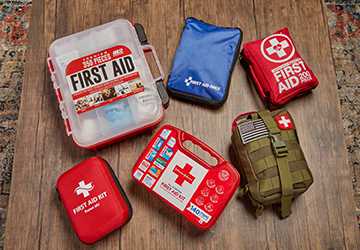
Accidents are a part of life, so a basic first aid kit is essential. Your kit should include bandages, antiseptic wipes, gauze, tweezers, pain relievers, and necessary personal medications. Becoming familiar with basic first aid techniques is essential before outdoor adventure.
Customize your first aid kit to fit your needs. For example, add allergy medications or special items for pre-existing conditions.
7. Multi-tool or knife
On the go, a multi-tool or trusty pocket knife can be a lifesaver. It can help you do everything from cutting rope to repairing equipment to preparing food. Look for equipment with multiple functions, such as knives, scissors, screwdrivers, and can openers. Invest in a quality multi-tool with solid construction; its versatility will be proven over the years.
Additionally, it makes sense to familiarize yourself with the various functions of a multi-tool or knife before hiking. Knowing how to use each tool effectively can save you time and energy in the field.
8. Lighting
Don't let the darkness surprise you. Bring a headlamp or flashlight and extra batteries. It makes navigating at night easy and finding your way in dimly lit areas like caves or dense forests. It's small, lightweight, and fits easily into your backpack.
Pack spare batteries in a waterproof container, so you're not left in the dark. Setting your headlight to red can help preserve your night vision.
9. Fire starting equipment
Fire-starting equipment is essential in an emergency or when cooking over a campfire. Your kit should include waterproof matches or a reliable lighter. Consider packing some fire starters or cotton balls soaked in Vaseline to make it easier.
Practice your fire-making skills before hiking, especially if you need them for warmth or cooking. Transport the arsonist to a waterproof container to keep dry.
10. Backpack
Finally, you'll need a backpack to carry all your hiking essentials. Choose one that is comfortable, durable, and appropriate for the length of your hike. Ensure plenty of storage space for your gear and adjustable straps for a good fit. A well-equipped backpack can significantly improve your hiking experience.
Place your heaviest items close to your back to maintain balance and reduce stress on your shoulders. Adjust your backpack's shoulder straps to ensure safety and comfort before heading out.
Diploma
These ten hiking essentials seem like a lot to pack, but they're the keys to a safe, enjoyable outdoor adventure. Before traveling, create a checklist to ensure you have all the necessary items and consider your trip's specific needs. Being well prepared will enhance your experience and prepare you for any challenges nature throws.
Be prepared, wear your hiking boots, grab your gear, and hit the trail. With these essentials, you'll be ready to explore the great outdoors while staying safe and comfortable. Happy hiking!
You May Like
Sports
Top 10 Hiking Tips for Beginners
Sports
How to Master the Art of Deep-Sea Fishing

Fitness
How to Develop a Powerful Volleyball Serve

Sports
How to Perfect Your Tennis Serve Technique
Fitness
Top 10 Most Expensive Sports Cars in the World